
GSMA Reveals How Digital Reforms Could Connect an Additional 1.13 Million Malagasy People by 2031
The GSMA presented two reports at the Digital Africa Summit in Madagascar, detailing the digital reforms that could connect an additional 1.13 million Malagasy people to mobile internet by 2031. These measures include tax adjustments, rural expansion, and technological partnerships such as ATLAS Umoja AI for voice-based agriculture.
by Lawing Tech Newsroom (4 min read)
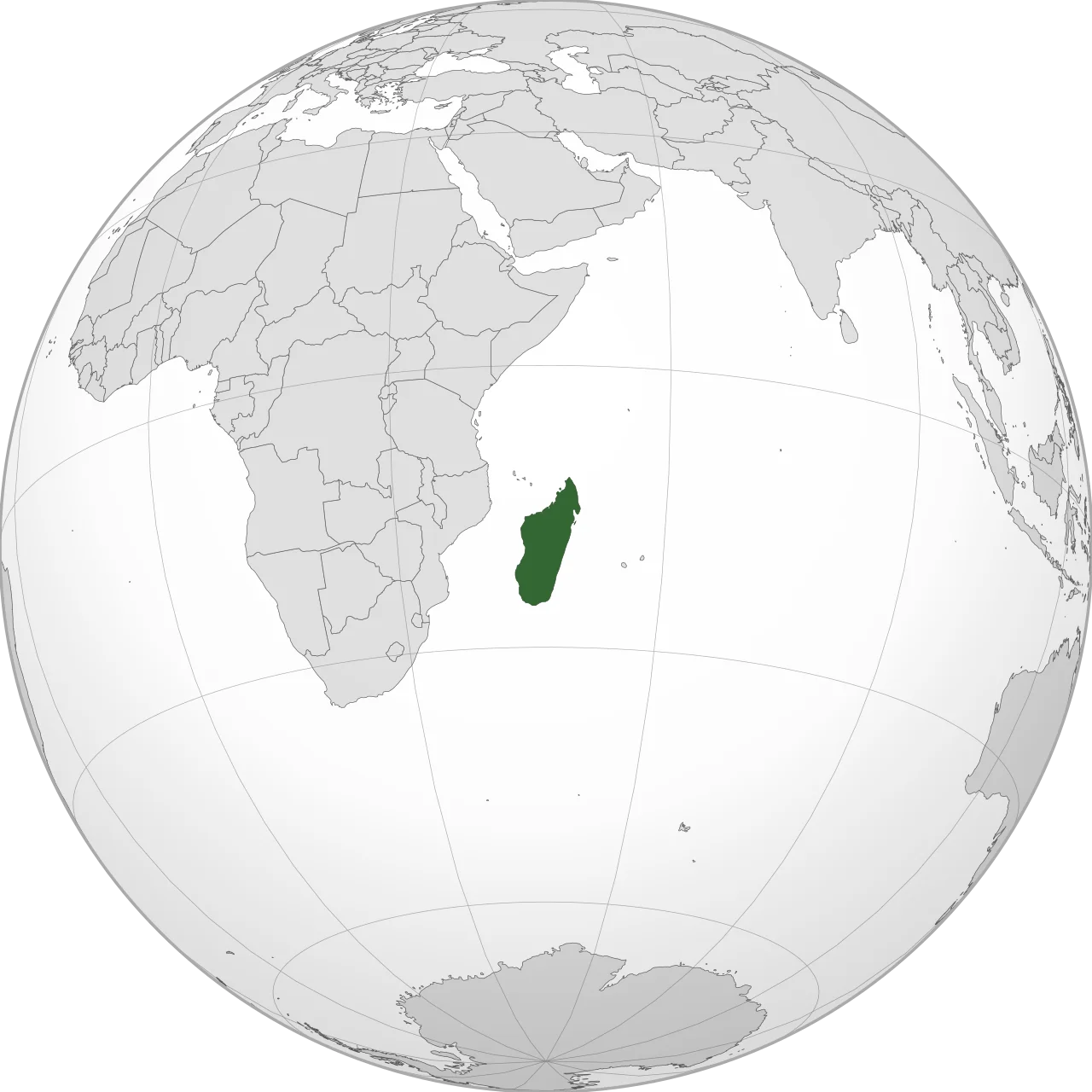
What are the concrete impacts of Madagascar’s digital reforms on inclusion and the economy?
According to the GSMA, targeted policy reforms could enable Madagascar to connect 1.13 million additional people to mobile internet by 2031, increasing current penetration from 14.3% in 2025 to a significantly higher level. Yet, in 2026, 66% of the Malagasy population lives in areas covered by mobile broadband but does not use it, a paradox highlighted by the reports presented at the Digital Africa Summit in Antananarivo on October 16, 2026.
The country has seen its total mobile connections rise from 12.3 million in 2021 to 22.5 million by the end of 2025, but nearly one-third of the rural population remains outside 4G coverage due to geographical and infrastructural challenges. The GSMA identifies four priorities to bridge this gap: reducing the cost of entry-level smartphones, expanding rural networks, tax reform in the mobile sector, and stimulating demand for digital services.
Madagascar’s digital reforms could not only connect an additional 1.13 million people by 2031 but also add 4.1 trillion ariary to the country’s GDP, proving that digital inclusion aligns with economic growth.
What fiscal and technological levers can reduce costs and extend coverage?
To make smartphones more accessible, the GSMA recommends eliminating three taxes burdening entry-level devices: the 6% copyright fee, the 20% customs duty, and the 1% regulatory contribution. These measures aim to lower costs for consumers, alongside the proposal to reduce the telecom and ICT tax rate from 2% to 1%, according to the report’s data.
In terms of infrastructure, spectrum costs in Africa are on average 24 % higher than in other regions, when adjusted for operator revenues, according to the GSMA. Reforms on licensing and spectrum pricing could generate over 120 billion additional dollars in GDP for Africa between 2026 and 2035, while extending 4G coverage to 50 million more people and 5G to 170 million by 2035.
ATLAS Umoja AI: how could voice artificial intelligence serve Malagasy agriculture?
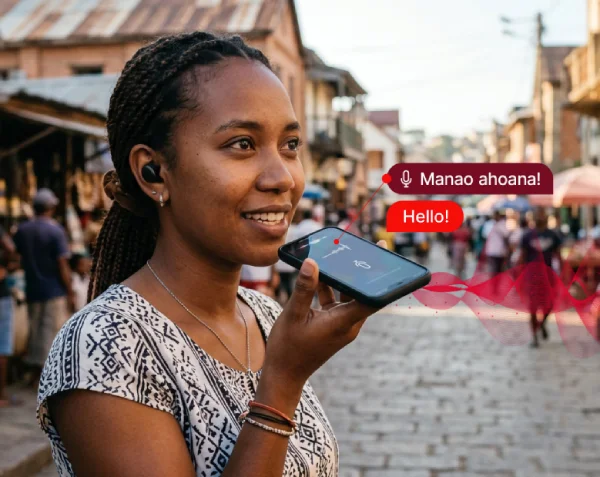
The ATLAS Umoja AI pilot project, supported by the GSMA, leverages voice conversational services to help populations with low literacy levels benefit from connectivity. By making publicly available linguistic datasets in Malagasy and collaborating with mobile operators, governments, and researchers, Madagascar could launch a voice-based agricultural advisory service, aligned with its 2023-2028 digital strategy. This initiative builds on the observation that while Malagasy mobile networks are expanding, they struggle to reach their full potential due to access and usage barriers.
Angela Wamola, GSMA’s Director for Africa, emphasizes that « Madagascar’s expanding mobile networks provide a strong foundation for digital transformation », provided that public and private stakeholders commit to clear governance and tailored funding.
What this means here: implications for businesses and administrations in Benin and West Africa
Lessons from Malagasy reforms could inspire West African nations, where challenges in rural coverage and digital service affordability remain similar. For local businesses, aligning public policies with GSMA recommendations, such as reducing taxes on equipment or optimizing spectrum costs, could accelerate mobile broadband adoption, particularly in underserved areas.
Beninese and West African administrations could also benefit from solutions like ATLAS Umoja AI to develop voice-based public services tailored to low-literacy contexts, thereby strengthening digital inclusion. For example, partnerships between governments, operators, and tech actors would enable testing similar models in key sectors like agriculture or healthcare, mirroring the Malagasy pilot project.
Finally, the GSMA study highlights that targeted tax reforms on smartphones and mobile licenses could free up resources to invest in rural infrastructure, a critical issue for local economies where over half the population lives in rural areas.
Sources
- GSMA: Digital Reforms Could Connect 1.12 million More People in Madagascar and Add MGA 4.1 trillion to GDP by 2031GSMA Newsroom, 16 October 2026
- GSMA’s Digital Africa Summit in Madagascar: Digital Reforms Could Connect 1.12M More PeopleTop Africanews, 17 October 2026
- GSMA: Digital Reforms Could Connect 1.12 million More People in Madagascar and Add MGA 4.1 trillion to GDP by 2031PAN AFRICAN VISIONS, 17 October 2026
Prepared by Lawing Tech's technology watch from the sources cited. Our editorial charter