
Databricks Generalizes Multi-Statement Transactions on Its Lakehouse: A Revolution for Data Consistency
Databricks becomes the first lakehouse platform to natively support multi-statement transactions on Delta Lake and Apache Iceberg. This innovation eliminates data fragmentation risks and reduces operational complexity for organizations relying on critical workflows. Fivetran and Accolade are already seeing concrete benefits.
by Lawing Tech Newsroom (3 min read)
Databricks Breaks Down Complex Transaction Barriers on the Lakehouse
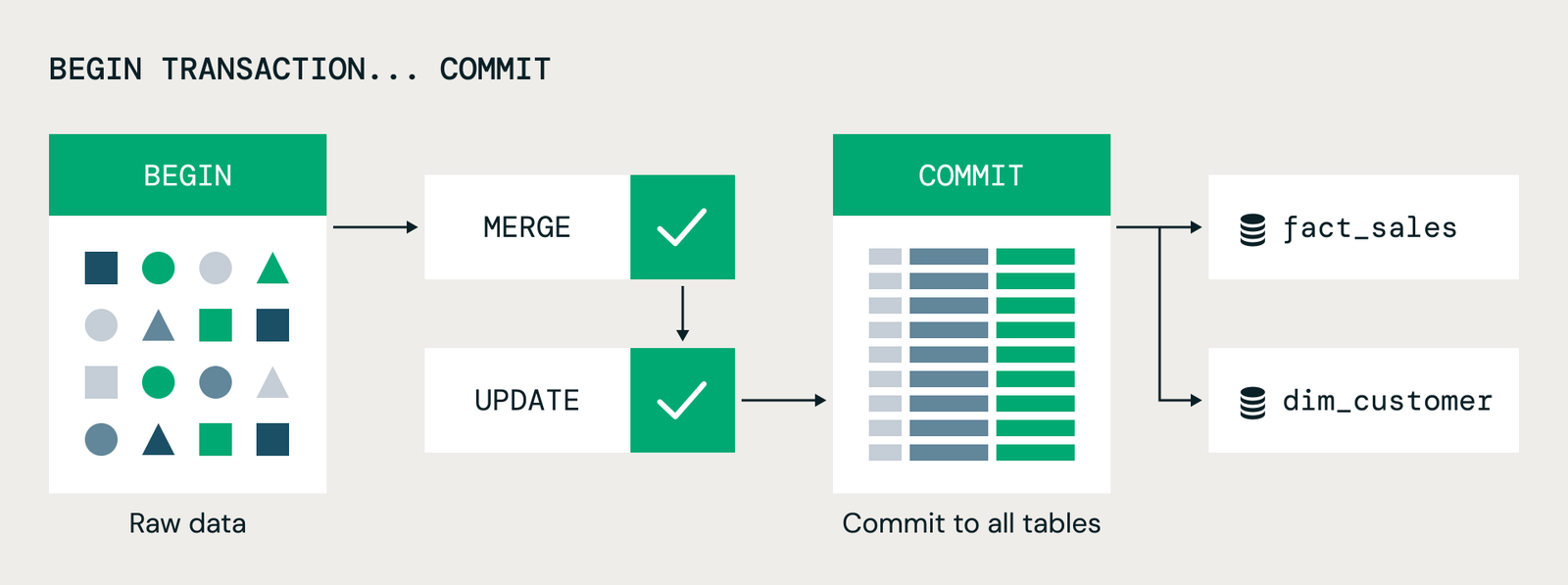
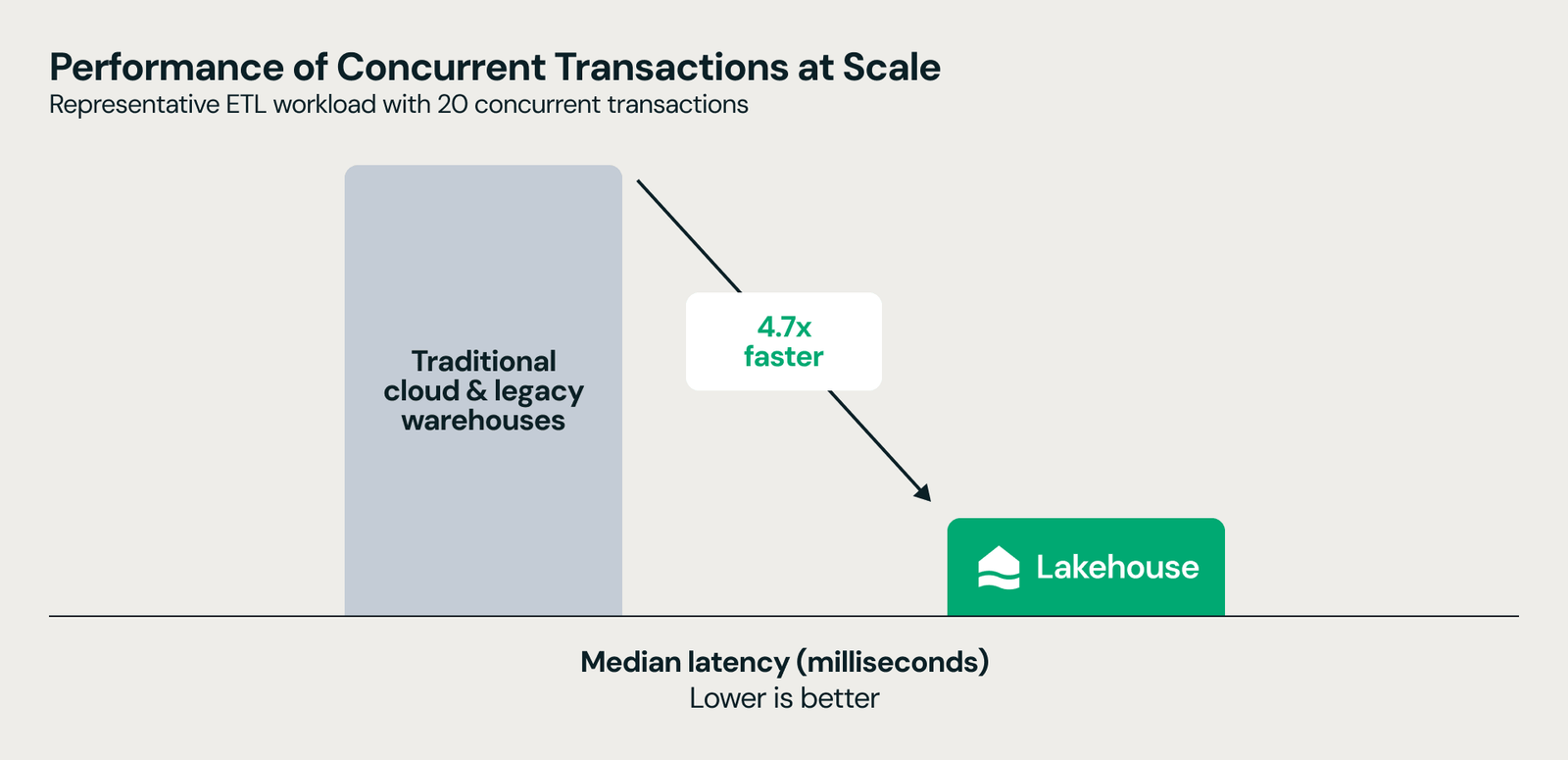
Databricks has taken a major step by making multi-statement transactions available in production on its lakehouse architecture, a first for a platform integrating Delta Lake and Apache Iceberg. Unlike traditional solutions requiring separate warehouse systems, this feature allows executing multi-step workflows with atomic guarantees: either all operations succeed, or none are applied. According to the official Databricks blog, this approach significantly reduces data copies, unnecessary movements, and governance fragmentation.
Either the entire modification is applied, or none is: multi-statement transactions guarantee absolute consistency of critical data.
How Multi-Statement Transactions Simplify Critical Workflows
Multi-statement transactions transform data management for companies handling complex workflows. Take the example of Fivetran, which uses this functionality to eliminate an entire category of code dedicated to consistency repair in its Historical Mode (Fivetran History Mode). Egidio Terra, Staff Product Manager at Fivetran, explains that each source modification generates two destination writes: the closure of the previous version and the insertion of the new active version. With multi-statement transactions, these two operations are now treated as an atomic unit. ‘Either the entire modification is applied, or none is,’ he notes. The result: historical data becomes more reliable, and clients benefit from enhanced correction guarantees.
Accolade Processes 1,700 Daily Transactions Without Fragmentation
Accolade, a company specializing in claims and liabilities management, exemplifies the tangible impact of this innovation. According to data shared by Databricks, Accolade processes approximately 1,700 transactions per day to manage its incoming flows. Thanks to lakehouse transactions, the company avoids consistency issues often linked to distributed systems. This ability to handle high volumes without operational fragmentation or decentralized governance demonstrates how modern lakehouses can support critical workloads while maintaining data integrity.
What this changes here: security, performance, and adoption for Beninese and West African organizations
For businesses and administrations in Benin and West Africa, this advancement could simplify the management of sensitive data, particularly in financial, healthcare, or public service sectors where multi-step workflows are common. Multi-statement transactions would reduce risks of inconsistencies between systems while limiting costs related to data migrations or duplicates. For example, banking institutions could secure their reporting operations without relying on external solutions, while public administrations would gain efficiency in managing citizen data, such as tax declarations or medical records. Native integration with Unity Catalog, including row-level access control and column masking, would also provide a strengthened framework for compliance with local regulations like Benin’s data protection law.
Sources
- Transactions are Generally Available, advancing warehousing on the LakehouseDatabricks, 16 October 2026
Prepared by Lawing Tech's technology watch from the sources cited. Our editorial charter