
The African Energy Bank (AEB) Launched: A Lever for the Continent’s Energy Autonomy
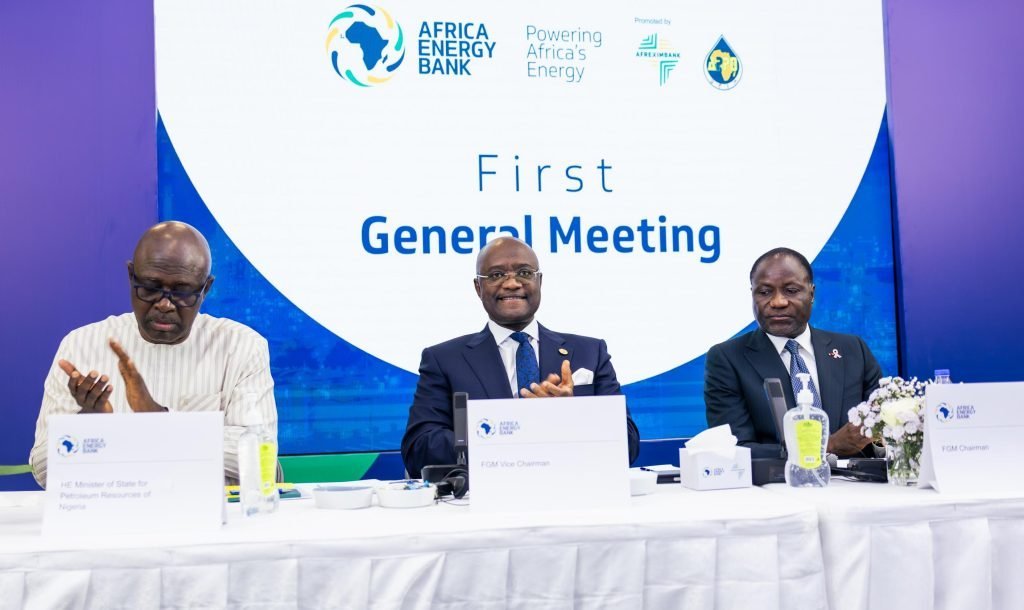
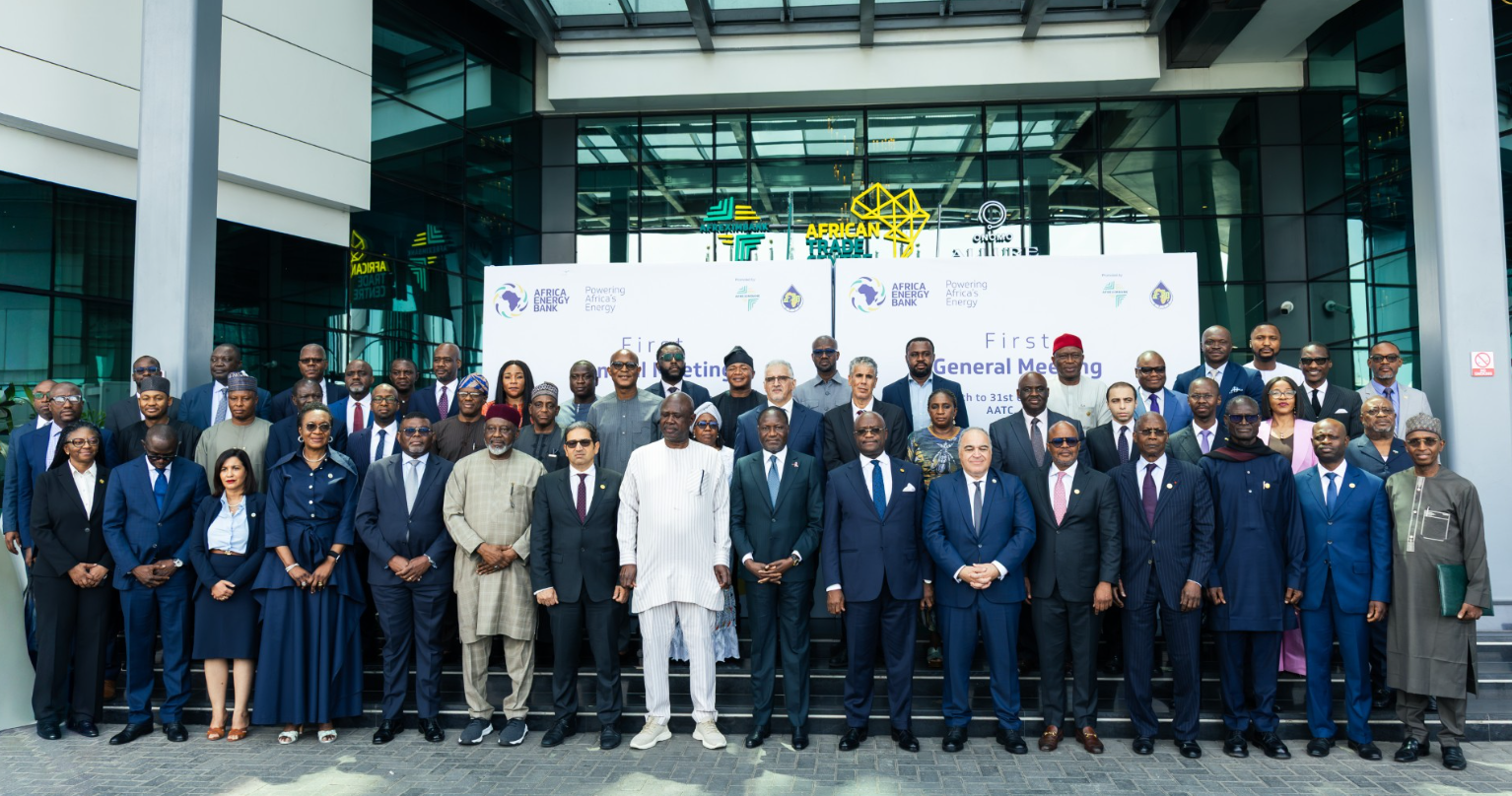
Afreximbank and the African Petroleum Producers’ Organization (APPO) officially launched the African Energy Bank (AEB) at a general assembly in Abuja on October 31, 2026. This institution, endowed with a capital of 5 billion dollars, aims to address a financing gap estimated at 200 billion for the African energy sector.
by Lawing Tech Newsroom (3 min read)

A Financial Institution Dedicated to Energy to Fill a Strategic Gap
The African Energy Bank (AEB), born from a collaboration between Afreximbank and APPO, marks a breakthrough in African energy sector financing. According to La Nouvelle Tribune, this supranational and independent institution has an authorized capital of 5 billion dollars, specifically allocated across the entire energy value chain: exploration, production, transport, refining, and distribution.
Its launch comes at a time when traditional financing is dwindling. The World Bank has stopped funding upstream oil and gas activities since 2019, and the African Development Bank has halted investments in fossil fuels, as highlighted in the statement cited by La Nouvelle Tribune. The AEB thus positions itself as a central player to meet the estimated 200 billion dollar needs of the continent’s energy sector.
The creation of the African Energy Bank underscores African governments’ determination to secure their own energy future.

An Economic Model Focused on Autonomy and Intra-African Trade
The AEB is not limited to financing fossil fuels. It aims to reduce Africa’s dependence on petroleum product imports by promoting intra-African trade, as explained by Afreximbank. Its projects will target both exploration of fields like Ubeta (estimated at 550 million dollars) and major infrastructure such as the Bonga North oil project, valued at 5 billion dollars.
The institution plans to attract diverse funding: governments, national oil companies, financial institutions, and private investors. Its independence and pan-African nature make it a potentially decisive tool for the continent’s states and businesses, particularly in a context where traditional external financing is becoming scarcer.
What this changes here: opportunities and challenges for Beninese and West African actors
For businesses and administrations in Benin and West Africa, the creation of the AEB could open up major prospects. The sub-regional countries, often dependent on energy imports, could benefit from targeted financing to develop their local production and refining capacities. For example, projects such as the exploration or exploitation of gas and oil resources could be accelerated through dedicated funds, thereby reducing vulnerability to international price fluctuations.
Public administrations could also leverage this institution to structure partnerships with private actors or national oil companies, particularly within the framework of the energy transition. However, the lack of a detailed timeline for this transition, as noted in the AEB statement cited by Afreximbank, leaves room for uncertainty about future priorities. Local actors will have to therefore remain attentive to the strategic orientations of the Bank to align their projects with its financing criteria.
Finally, the AEB could strengthen regional cooperation by facilitating energy exchanges between countries, for example through cross-border infrastructure. For Beninese or West African companies operating in this sector, this could mean new opportunities for collaboration with African partners, while diversifying their supply sources.
A pan-African governance for a key sector
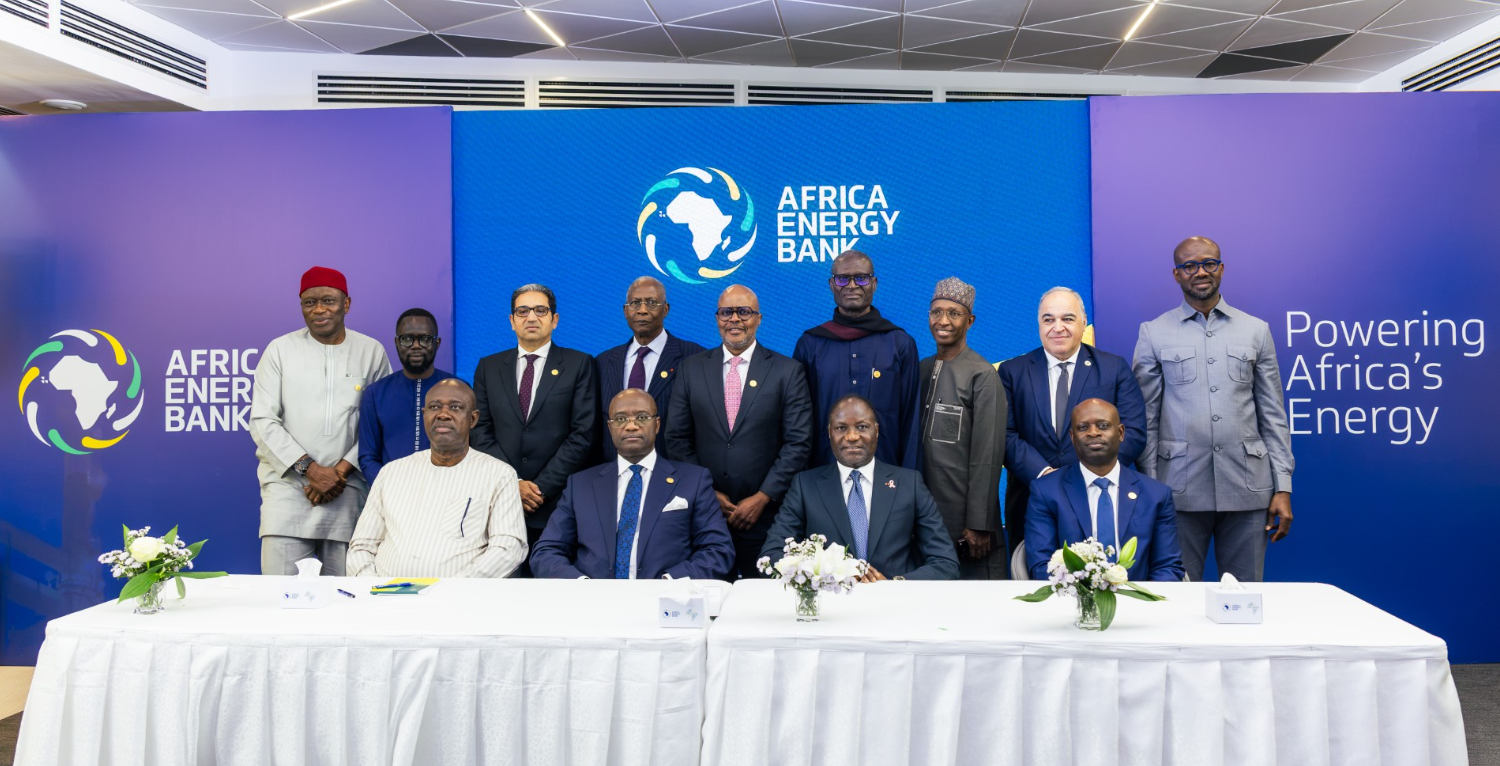
The African Energy Bank is governed by a pan-African structure, with the appointment of Helmy Ghazi as its first president during the inaugural general assembly, as reported by Afreximbank and its official statement. Its Board of Directors brings together representatives from public and private sectors, as well as specialized institutions in public policy, ensuring a balanced approach.
This structure could inspire confidence in investors and member states by demonstrating a collective will to control the energy sector. For countries like Benin, where energy issues are crucial for economic growth, this institution could provide a stable framework to attract financing and strategic partnerships, while fostering deeper integration into regional dynamics.
Sources
- La Banque Africaine de l’Énergie est officiellement lancée par Afreximbank et l’APPOLa Nouvelle Tribune, 31 October 2026
- Afreximbank et l’Organisation des Producteurs de Pétrole Africains (APPO) créent officiellement la Banque Africaine de l’ÉnergieAfreximbank, 31 October 2026
- Communiqué de Presse Conjoint : Afreximbank et l’APPO créent officiellement la Banque Africaine de l’ÉnergieAfreximbank, 31 October 2026
Prepared by Lawing Tech's technology watch from the sources cited. Our editorial charter